Facebook
 X
X
 Pinterest
 Copy Link
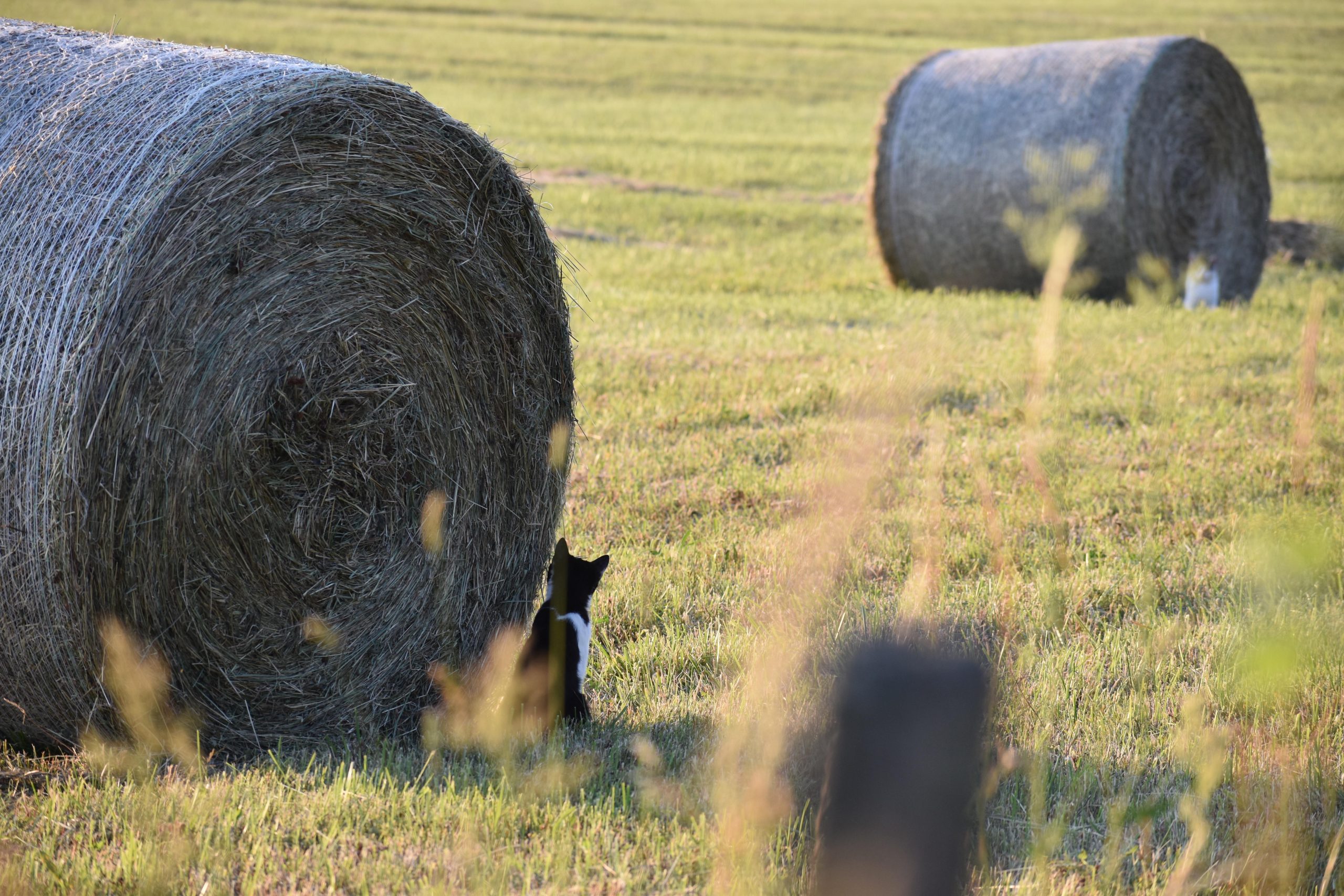
If you’ve ever survived a winter in Alberta, you know our cold seasons are long, hard, and completely unforgiving. For livestock owners—and horse owners in particular—getting through those frozen months successfully depends on what we do right now in the heat of July.
The Golden Rule: Early Planning is Everything
When you own animals, you can’t afford to play “wait and see” with their feed. By the time the snow flies, high-quality hay is either incredibly scarce or prohibitively expensive.
That’s why experienced barn managers and livestock owners are already making moves. Where I board my two horses, the owner is already busy ordering our winter supply of large round bales for delivery in early to mid-August.
Currently in Central Alberta, the average rate of a high-quality round bale is sitting between $140 and $165. Securing that rate and quality early ensures our horses have a reliable, nutritious food source when the pastures go dormant.
Doing the “Horse Math”: How Fast Do They Eat?
If you’ve ever wondered how much a horse actually consumes, the numbers are pretty eye-opening. Here’s a quick breakdown of what I’ve learned:
-
The Consumption Rate: In a netted hay feeder (which prevents them from stomping it into the mud), four horses will eat one large round bale in roughly 10 days.
-
The Monthly Reality: That means a small herd of four needs about three large round bales every single month. Over our long winter stretch, that math adds up fast!
Why the Best Barns Feed Hay Year-Round
You might think that once summer grass grows, horses can just graze and forget about hay. However, most professional boarding facilities actually feed hay 365 days a year—even when pasture grazing is available.
There is a major biological reason for this. Horses have highly sensitive digestive systems. Rapidly switching them from dry winter hay to lush, wet spring grass (or vice-versa) can throw their gut bacteria out of whack. By keeping hay available year-round, we provide a consistent fiber source. This steady diet drastically reduces the risk of colic and painful gastric issues, keeping their digestive tracts moving smoothly.
So, next time you see a baler turning a field golden, remember: it’s not just farm work. It’s the essential foundation for keeping Alberta’s animals safe, warm, and well-fed all winter long.